Processing of high-performance plastics (PEEK, POM, Nylon)
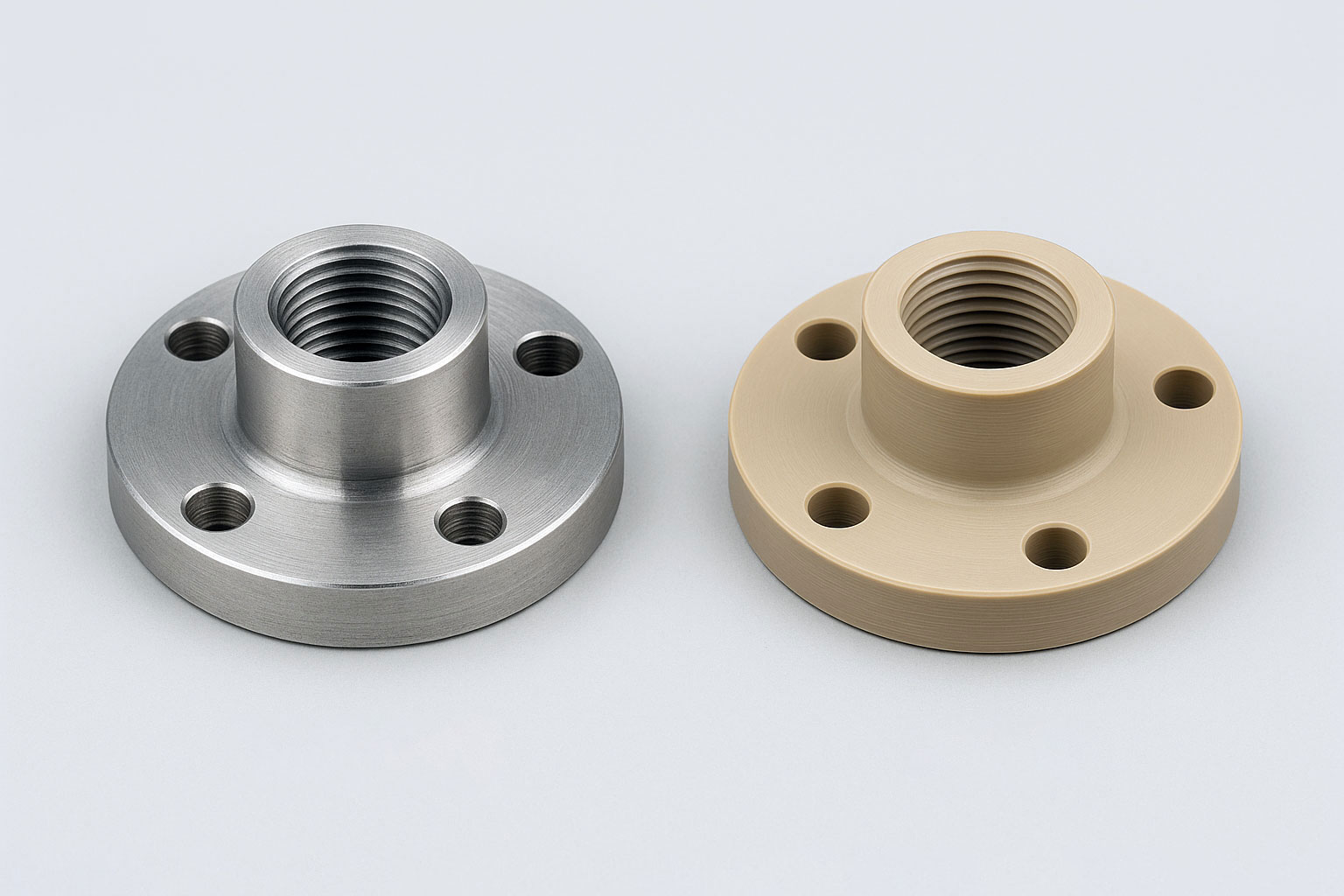
Characteristics of Engineering Plastics in the CNC Industry High-performance plastics are increasingly representing an alternative to metals in many industrial applications. Materials such as PEEK, POM (also known as Delrin), and Nylon (PA6) offer unique properties: lightweight, chemical resistance, and electrical insulation. PEEK, in particular, is prized for its extraordinary thermal and mechanical stability, while POM stands out for its excellent machinability and dimensional stability, making them strategic materials for the production of complex components that require absolute precision.
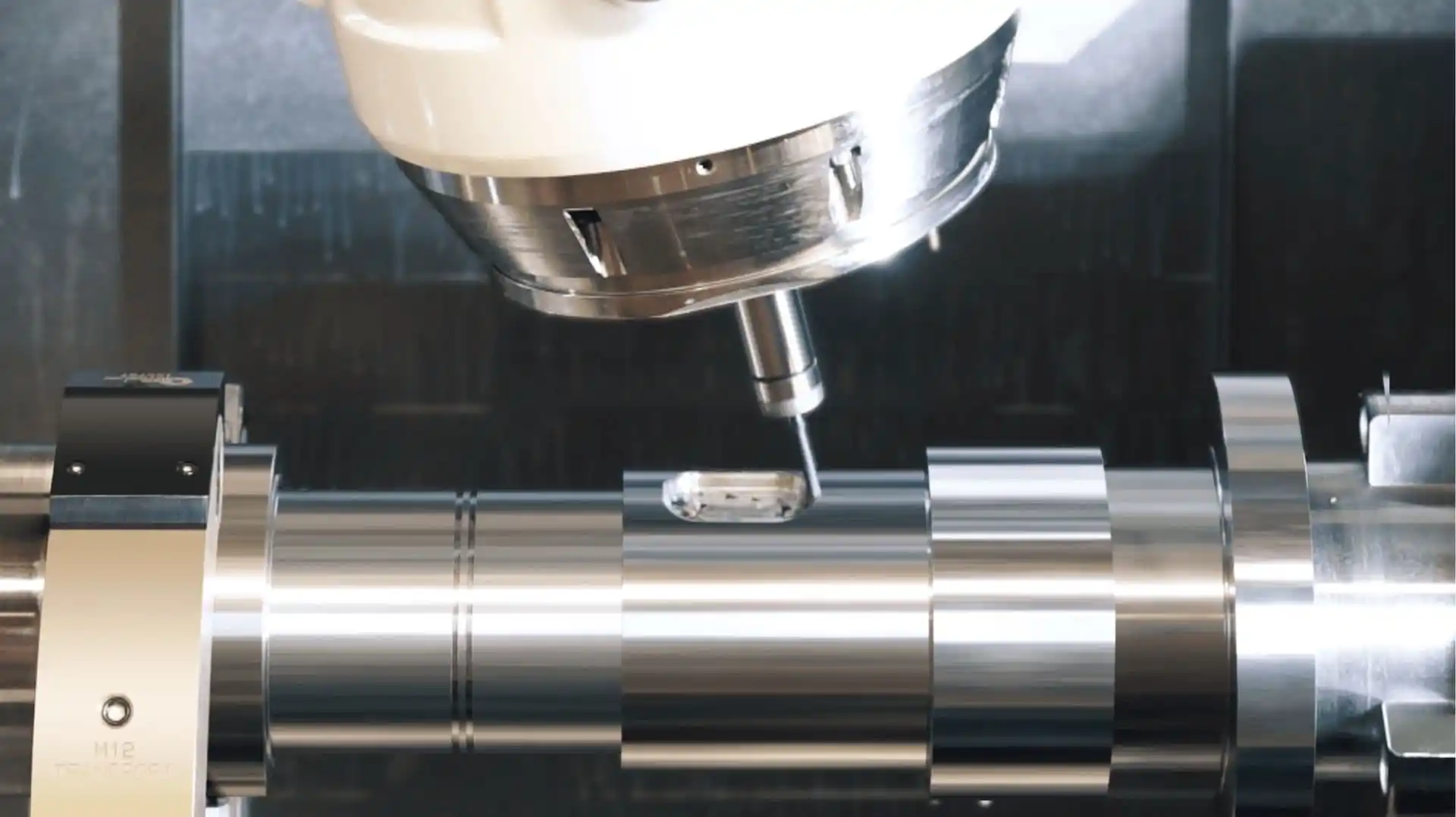
Technical Challenges and Tolerance Management Unlike metals, CNC machining of plastics requires specific measures to manage the material's elasticity and heat sensitivity. During turning or milling, plastics tend to deform when subjected to excessive pressure or temperatures, making it difficult to maintain tight tolerances. It is essential to use extremely sharp tools and specific cutting geometries that reduce friction, as well as calibrating feed parameters to avoid surface melting or excessive burrs on the finished part.
Strategic applications from medical to automation The use of precision plastic components is essential in sectors where cleanliness and chemical resistance are priorities. In the medical sector, PEEK's biocompatibility makes it ideal for surgical instruments, while in industrial automation, POM's low friction coefficient and Nylon's wear resistance are exploited for the creation of bushings, gears, and slide guides. These solutions reduce the overall weight of machinery and often eliminate the need for external lubrication.
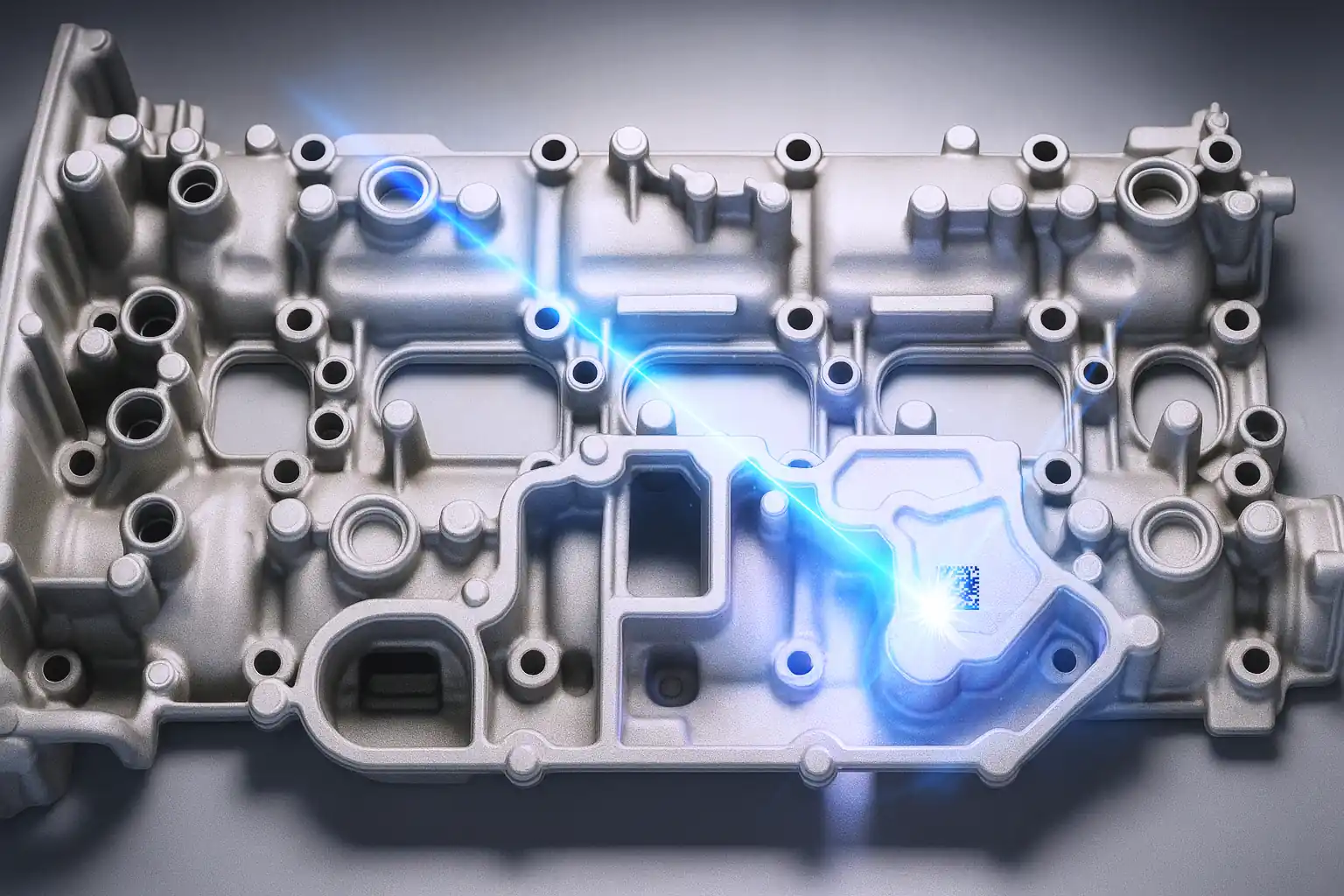
Certification and verification of dimensional conformity Despite the less rigid nature of plastics compared to steel, quality control remains an essential step. Each component produced must be verified in the metrology room to ensure that the material, once thermally stabilized after machining, precisely adheres to the original design dimensions. The use of non-contact optical CNC measuring systems is particularly suitable for these materials, as it allows dimensions to be detected without applying pressure that could distort the result on flexible or delicate parts.