From Prototyping to Series Production: The Support of the Traditional Workshop
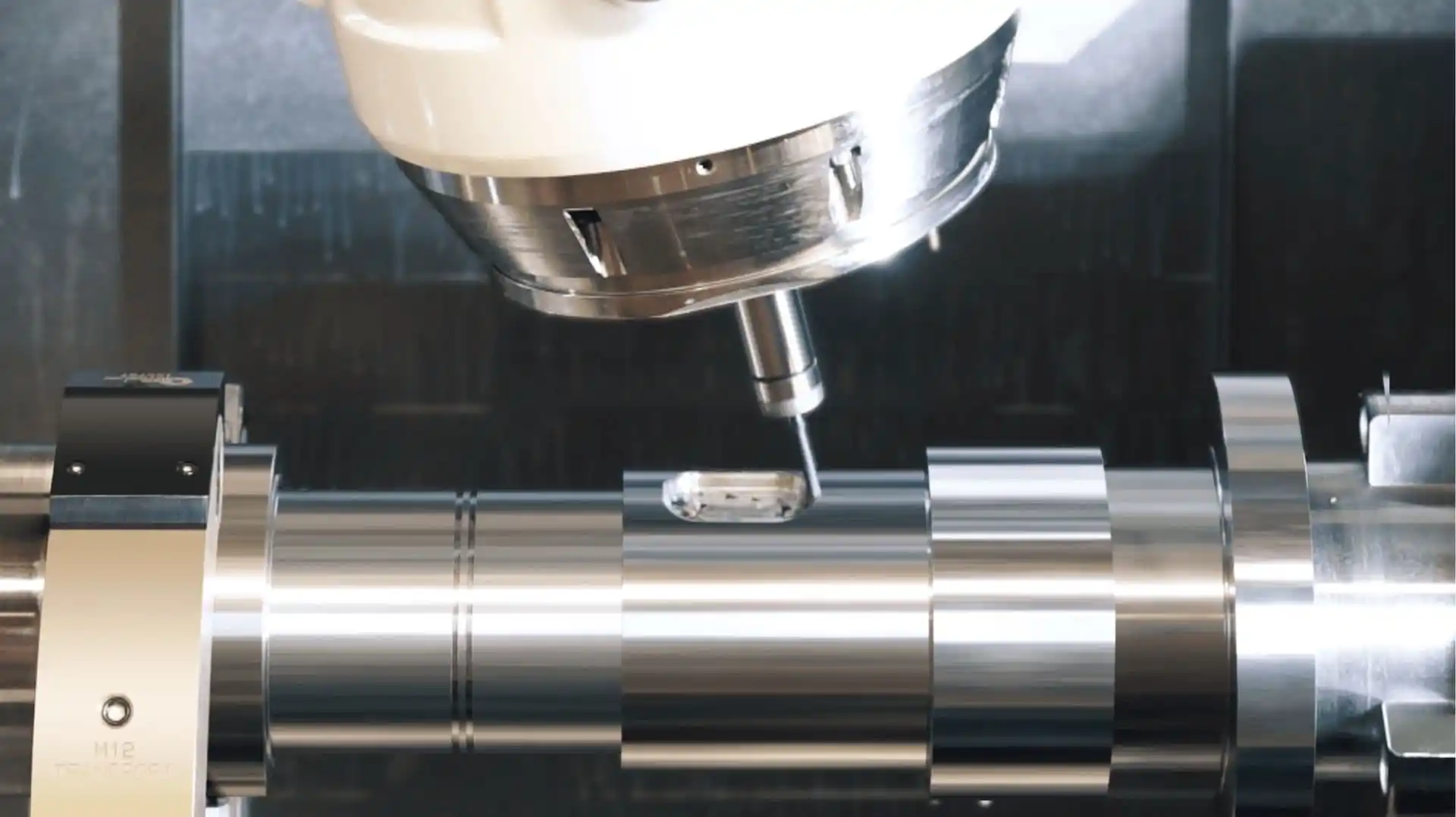
The Value of the Traditional Workshop in the CNC Era Despite the dominance of numerically controlled technologies, the traditional workshop still plays an irreplaceable role in precision mechanics. Manual lathes and universal milling machines represent the ideal starting point for the prototyping phase, where flexibility and human intervention overcome the rigidity of automated programming. In this preliminary phase, the operator's experience allows for testing technical solutions and rapid modifications "on the fly," transforming an idea or technical drawing into a tangible physical model without the setup times required by CNC machines.
From Prototype to Series Production Setup The traditional workshop serves as a strategic bridge to mass production. Once the prototype is validated, the skills acquired during manual machining help optimize the production cycle for automated machining centers. This support is essential for designing customized fixtures and defining the most efficient cutting parameters. Having a dedicated auxiliary machining department means being able to prepare blanks and manage rapid finishing operations, ensuring that CNC machines operate exclusively on high-efficiency cycles for large batch production.
Operational flexibility for auxiliary machining and reworking Beyond prototyping, traditional machines are essential for managing small reworkings on finished components or for emergency machining operations that would not justify the commitment of a multitasking machining center. Whether it's a special thread, a slot, or a manual grinding, the traditional workshop ensures immediate responsiveness to customer requests. This operational versatility reduces bottlenecks in the overall workflow, ensuring that even the smallest orders or custom-made components receive the same meticulous attention to detail as standardized production.
Integrating artisanal quality into certified processes The integration of traditional support and technological rigor is what defines a top-notch mechanical workshop. Every piece, whether a hand-crafted prototype or a series component, must pass the same stringent tests in the metrology lab to ensure ISO 9001 compliance. The artisanal attention to detail, typical of classic mechanics, combines with the precision of 3D measuring machines, offering customers a product that combines the operator's technical intelligence with the repeatability of the most advanced technologies.