Stainless Steels: Differences between AISI 304 and 316 in CNC Machining
Characteristics and Properties of AISI 304 and 316 Steels Stainless steel is a cornerstone of precision engineering, and AISI 304 and AISI 316 are the most widely used grades due to their versatility. AISI 304, also known as 18/10 steel, is prized for its excellent corrosion resistance and ease of machining in a wide range of industrial applications. AISI 316, on the other hand, stands out for the addition of molybdenum, an element that dramatically increases its resistance to chlorides and salt corrosion, making it the ideal choice for marine or aggressive chemical environments.
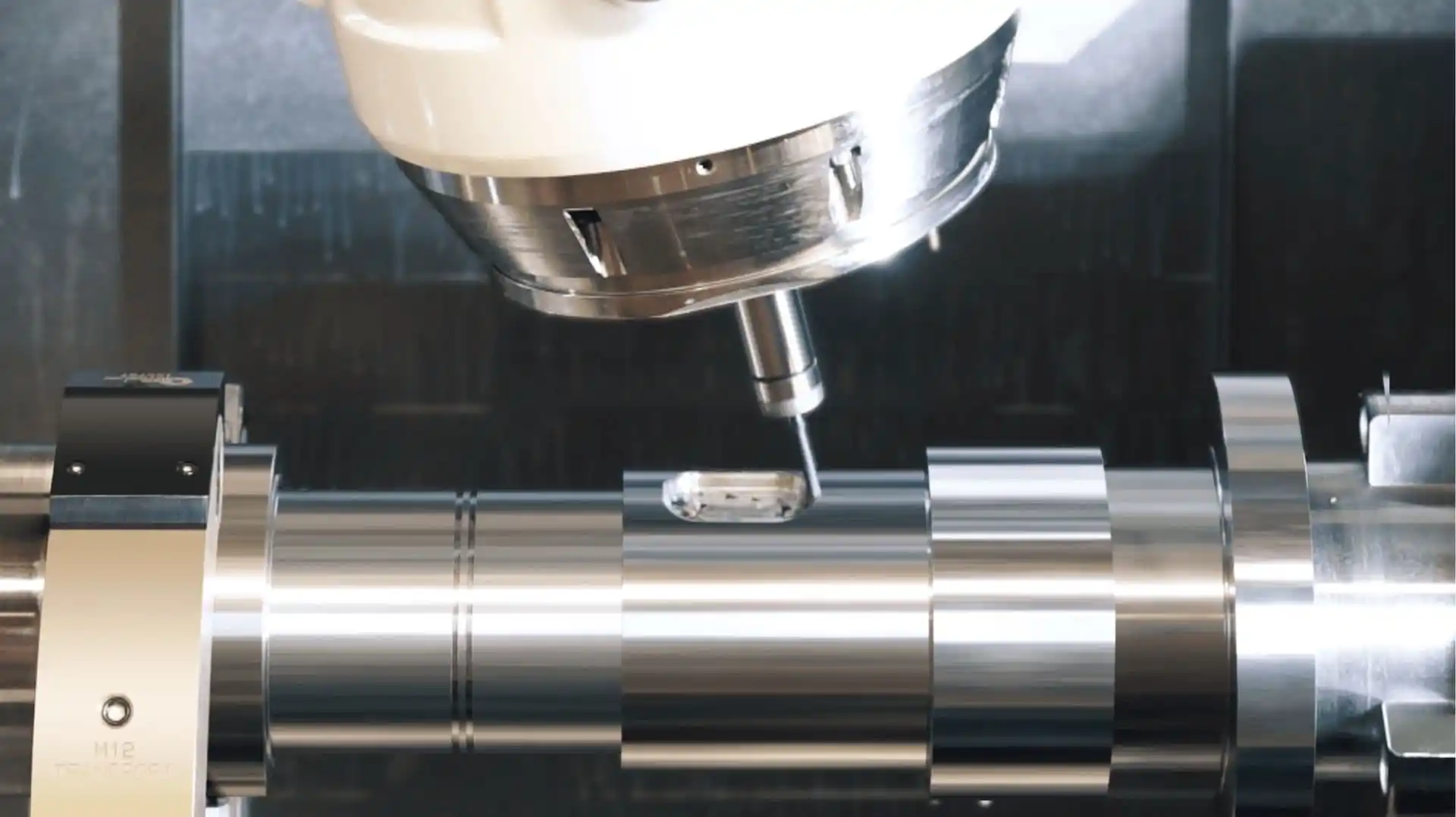
Technical Differences in the Metal Removal Process From a CNC machining perspective, these two alloys present different challenges. Although both are austenitic steels subject to work hardening, AISI 316 is generally more difficult to machine due to its greater hardness and tendency to generate more heat during cutting. To achieve flawless surface finishes, it's necessary to adjust feed rates and use specific tools with wear-resistant coatings, ensuring the material doesn't overheat and compromise the part's precise tolerances.
Choosing the Two Materials for Precision Components The choice between 304 and 316 depends entirely on the intended use of the mechanical component. If the goal is to produce components for the food or household industries, AISI 304 offers a perfect balance between performance and cost. However, when precision must be combined with resistance to extreme environmental conditions, such as in the petrochemical or naval sectors, investing in AISI 316 is essential to prevent pitting corrosion and ensure a longer service life for the final product.
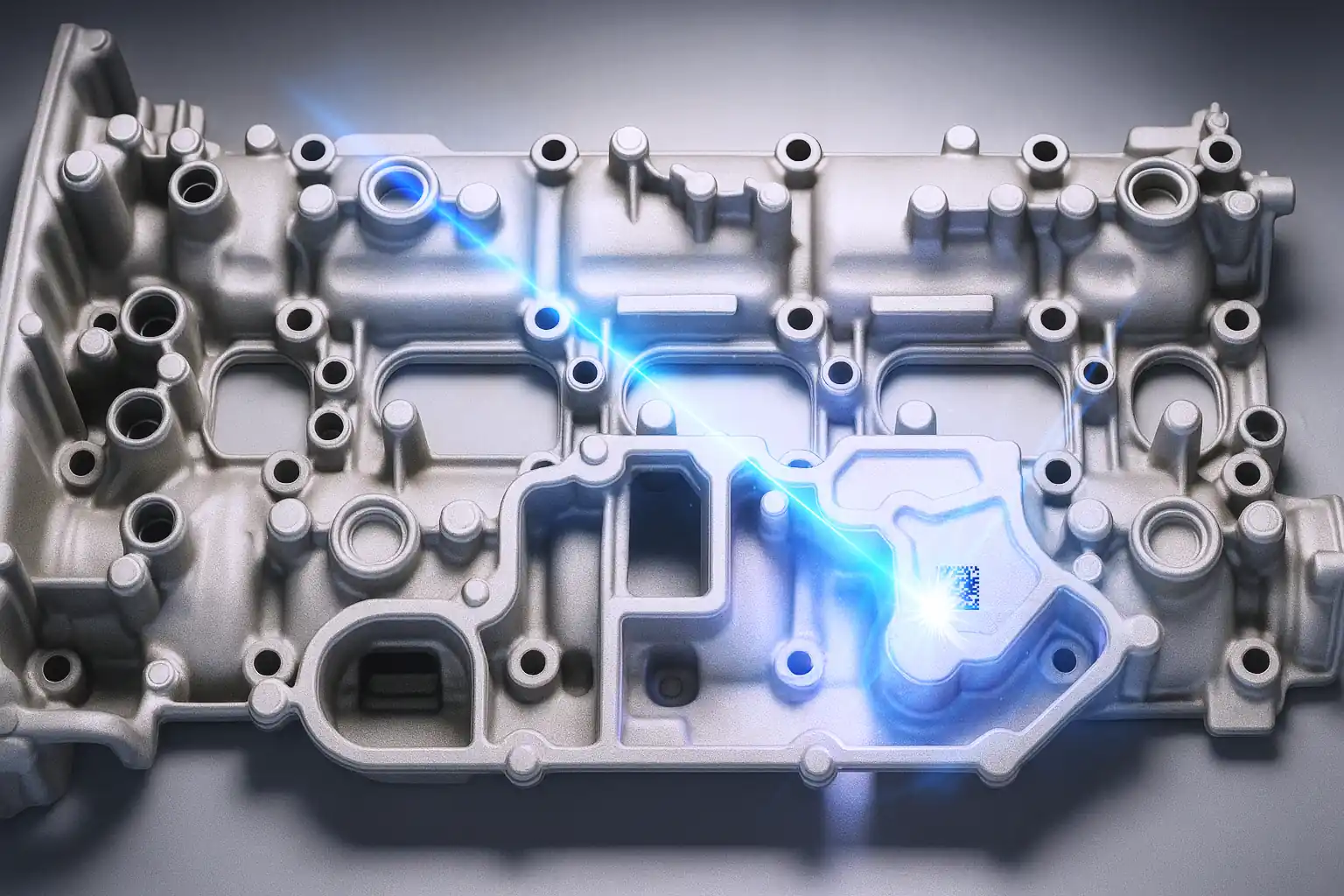
Quality Control and Surface Finishes on Stainless Steel Regardless of the alloy chosen, the final quality of a stainless steel component depends on the rigor of post-production controls. Treatments such as sandblasting or laser marking can complete the piece, but it's the verification in the metrology room that makes the difference. Using 3D measuring machines and digital roughness testers, it's possible to certify that the CNC machining process has met every specification in the technical drawing, ensuring that the physical properties of the stainless steel have been preserved throughout the entire production cycle.